Tacoma Pressure Washing Specialists
Find professional Tacoma pressure washing you can count on. We provide certified experts who expertly choose PSI, nozzles, and cleaning solutions for each surface, implement soft wash techniques for siding and shingles, and use hot water for oily concrete. We successfully tackle moss, algae, and salt film, safely manage runoff according to Tacoma stormwater regulations, and protect landscaping. Count on licensed, insured technicians, comprehensive SOPs, and clear line-item pricing. Regular maintenance stops coating failure and rot, resulting in cost savings. Read on to explore our approaches, pricing, and screening steps.
Critical Findings
- Professional specialists using calibrated equipment alongside specialized soft-wash and power-wash techniques customized for every surface type to prevent any damage (PWNA/UAMCC).
- Completely licensed and insured in Tacoma and Washington; featuring $1M+ liability and workers' comp certificates from the copyright.
- Focused on compliance: water reclamation and runoff management, maintaining on-site SDS documentation, and complete conformity to Tacoma stormwater and OSHA safety requirements.
- Tacoma-focused expertise: hot-water cleaning for oil and grease, moss and algae control solutions, and post-treatment solutions for growth prevention in Tacoma's wet, salty climate.
- Comprehensive workflow: preliminary inspection checklist, standoff measurements, mid-job status reports, and final walkthrough including photographic documentation and care recommendations.
Understanding the Value of Professional Pressure Washing in Tacoma
Even though DIY tools appear cost-effective, Tacoma's humid weather, moss accumulation, and coastal air necessitate professional pressure washing to safeguard surfaces and avoid damage. You need properly adjusted pressure levels, suitable nozzles, and specific cleaning solutions matched to contaminants and substrate. Skilled contractors analyze water damage potential, establish appropriate safety margins, and capture runoff to comply with community regulations and environmental requirements. They also manage hot-water applications for oily residues and use post-treatments that inhibit rapid regrowth.
You will lower long-term costs by avoiding early deterioration, decay formation, and rust. Timing maintenance seasonally improves results: spring clears winter biofilm; late summer removes airborne salts; fall preparation shields against prolonged wetness. Certified professionals document conditions, isolate electrical hazards, and check drainage systems. To summarize, specialized approaches provide consistency, compliance, and measurable longevity.
Surfaces We Clean: Driveways, Siding, Decks, Fences, and More
You need targeted driveway stain removal to lift stubborn stains like oil, rust and rubber marks without harming concrete. For siding, we provide a soft wash that utilizes controlled pressure and eco-safe cleaning solutions to safeguard paint and vinyl. We match nozzle, PSI, and chemistry to each surface to ensure effective cleaning without causing harm.
Driveway Stain Removal
Remove hard-to-remove driveway stains using targeted pressure-washing techniques that clean away oil, rust, tire marks, algae, and tannins without damaging concrete. We examine your concrete's characteristics, including finish type, age, and porosity, then match pressure settings and spray patterns for optimal results. Thermal cleaning processes accelerates petroleum stains, while targeted cleaning agents dissolve set-in oil. Oxidation is removed with oxalic-based formulas, and algae and mold undergoes a carefully controlled biocide application, before an exact rinse to prevent feathering.
You can expect uniform results using surface cleaners that provide uniform pressure and avoid wand marks. We finish with careful edging to maintain joints and expansion cuts. For lasting stain prevention, we recommend sealant application tailored to traffic volume and climate, improving hydrophobicity and UV defense, and making easier future maintenance.
Safe House Siding Wash
Commonly forgotten, siding requires a low-pressure, chemistry-first wash to remove buildup, mold, weathering, and environmental debris without forcing water behind panels or harming protective coatings. We assess your cladding type-vinyl, fiber cement, cedar, or metal-and calibrate exact water flow, spray angles, and treatment periods. Using safe cleaning compounds, we dissolve surface contaminants and lift contaminants, then gently flush the surface to safeguard seams, caulks, and coatings.
We gently agitate perimeter sections with a gentle brush to clean without surface wear. Areas of oxidation get targeted treatment and soft brushing to create uniform results. All openings and fixtures remain covered to avoid contamination. After treatment, we use preventative applications that stop reoccurrence, extending service intervals. You receive a uniform, streak-free finish and maintained material stability.
Soft Washing vs. Power Washing: Understanding Your Options
Choosing the right cleaning technique depends on the surface. Porous siding and painted surfaces work best with soft washing, while hard concrete is here best cleaned with power washing. Use biodegradable cleaning solutions and monitor application timing, then rinse completely to avoid any residue. Always follow manufacturer pressure guidelines and use the correct spray tips and spacing to protect surfaces and ensure safety.
The Importance of Surface Sensitivity
Although both approaches provide thorough cleaning, material sensitivity must determine selecting soft washing and power washing. You need to align pressure settings, flow rates, and nozzle geometry to the substrate to ensure material safety and texture preservation. Soft washing combines low pressure with controlled flow, safely cleaning painted siding, stucco, EIFS, cedar, asphalt shingles, and oxidized metals. This method minimizes damaging forces that might lift coatings or open surface pores, preventing moisture infiltration.
Pressure washing works best on robust surfaces like concrete, brick, stone, and steel where kinetic energy to remove embedded dirt. Use rotary nozzles with care; a narrow fan or shorter standoff can damage sensitive materials. Make sure to check age, coating integrity, porosity, and structural connections. Begin on a discreet section, verify absence of harm such as feathering, etching, or fiber raise, before modifying settings gradually.
Cleaners and Rinsing Methods
After setting surface sensitivity, the next factor is the chemical approach and cleanup technique. For soft washing, you use low-pressure solutions to break down biological growth including algae, mildew, and biofilm, then rinse completely. Pick eco-friendly detergents suitable for the type of contamination and surface type: surfactant compounds for oxidation, enzyme catalysts for organics, and pH-balanced agents for metal surfaces or protective coatings. During power washing, temperature and pressure assist cleaning, allowing reduced chemical usage but necessitating controlled exposure to avoid damage or discoloration.
You'll implement a meticulous rinse: top-down, controlled flow, and thorough neutralization as required. Collect and process runoff with water reclamation systems to meet Tacoma stormwater requirements, removing solid materials and balancing pH levels prior to disposal. Verify outcomes with quality checks and verify no leftover residue or sheen is visible.
Pressure Levels and Safety
Although both approaches effectively eliminate contaminants, they operate at very different pressures that determine safe use. You'll want to choose soft washing for fragile substrates-painted siding, cedar, asphalt shingles-where low pressure and specific treatments avoid etching, blow-offs, and water intrusion. Reserve power washing for durable substrates-concrete, brick, steel-where increased pressure and temperature eliminate oils, rubber marks, and scale.
Ensure proper pressure settings: align spray parameters and distance to surface tolerance. Verify performance with a gauge, rather than guessing. Perform a test run in an inconspicuous area.
Follow strict safety procedures: disconnect electrical parts, protect vegetation, and regulate runoff. Utilize proper safety equipment. Avoid ladder recoil by securing or employing extensions. Service downstream sprayers, hoses, and unloader valves to guarantee consistent, safe functioning.
Eco-Friendly Cleaning Solutions and Safety Practices
Initiate by choosing detergents that biodegrade quickly, are non-toxic, and carry EPA Safer Choice or Green Seal certifications, then pair them with properly adjusted pressure, heat, and flow to lower chemical load. Utilize biodegradable detergents appropriate to substrate: neutral pH for painted siding, alkaline for oil-stained concrete, and oxidizers only when targeting organic growth. Validate dilution with manufacturer SDS and titration kits to prevent over-application.
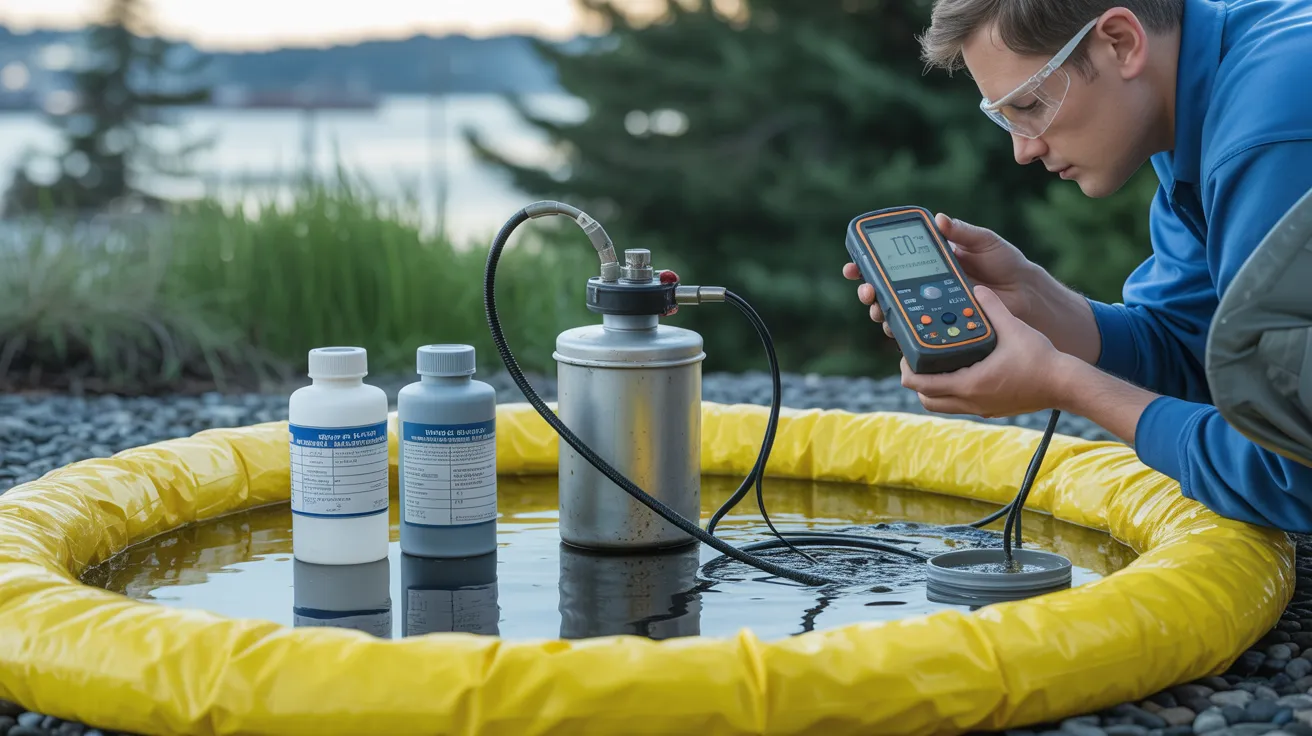
Protect waterways with rigorous runoff control: containment berms, vacuum systems, and water filtration before sanitary discharge, preventing any flow to storm drains. Deploy absorbent barriers near landscaping and check pH levels and cloudiness of recovered water. Wear PPE-gloves, goggles, non-slip boots-and confirm GFCI-protected outlets for electric equipment. Properly label and maintain chemicals correctly, isolate oxidizers, and stock spill kits. Log protocols, facility layouts, and disposal records for compliance.
What Happens During Your Service Appointment
Before our team arrives, we'll send you a scheduled service window and a brief pre-visit checklist (covering parking access, water supply location, securing pets). Your cooperation helps create an efficient beginning. At the scheduled time, our service specialists follow strict arrival protocols: professionally dressed, at the arranged time, and conducting a thorough safety review. They check the project details, surface materials, drainage systems, and electrical access, then proceed to protecting delicate surfaces and setting up containment measures.
We'll provide an estimated timeframe based on your space's square footage, soil contamination level, and access considerations. Our tools are efficiently staged; we route hoses to prevent tripping hazards. Our experts utilize calibrated pressures, suitable nozzles, and cleaning agents matched to your substrate. Status reports will cover the ongoing work and unexpected findings.
Once we finish, we carry out a comprehensive review to ensure satisfaction, take care of any finishing touches, and capture before and after photos. We'll give you upkeep guidelines and essential maintenance recommendations.
Breaking Down Costs and Pricing Details
Although every property is different, you will see detailed cost breakdown that correlates precisely to specific metrics: footage and linear dimensions, surface material (concrete, wood, composite, masonry), ground contamination, stain severity (oil, rust, organic), height limitations and access issues, water and power access, and necessary cleaning products or hot water. The price includes adjustments for preliminary tasks (taping, plant protection), post-cleaning neutralization, wastewater collection where needed, and service radius throughout Tacoma.
You'll generally find two main pricing approaches: package-based flat rates (like driveways up to X square feet) and custom pricing based on unit size. Severely stained areas or raised surfaces may take longer to clean with more thorough treatment, temperature-controlled cleaning, or specialized cleaning products, which can increase labor and material expenses. Be sure to request documented work details, location photographs, and information about any available seasonal discounts before approving the service.
How to Vet and Choose a Licensed, Insured Local Team
Regardless of how established a company looks on the internet, it's essential to confirm their qualifications before proceeding. Confirm they maintain an active Washington State contractor license, Tacoma business license, and UBI. Ask for a valid certificate of insurance transmitted from the insurer: general liability (no less than) $1M and workers' compensation. Verify their policy numbers, coverage limits, and expiration dates.
Validate professional certifications for professional training (UAMCC, PWNA) and equipment proficiency. Maintain written protocols for soft washing and high-pressure cleaning, chemical management (on-site SDS compliance), wastewater management, and runoff control standards.
Assess employment procedures: check if they conduct background screenings, motor vehicle record checks, and safety protocol training. Review safety incident documentation and regulatory compliance records. Request formal documentation for job-specific requirements, surface preparation protocols, pressure and flow requirements, nozzle selection criteria, and recommended dwell times. Contact nearby references, check documentation photos tied to project sites, and verify timely permit acquisition as required.
Maintenance Tips to Keep Your Property Looking Great Longer
Regular maintenance between professional cleanings helps prevent dirt accumulation and potential damage. Clear away dirt weekly, rinse heavily trafficked zones, and address stains promptly before they set in. Apply balanced cleaners for siding and sealed concrete surfaces, steering clear of corrosive chemicals that could deteriorate finishes. Schedule periodic checkups to spot moss growth, algae formation, or small cracks early on, especially post severe weather or freezing temperatures.
Safeguard outdoor plants by diverting water runoff, opting for plant-safe drainage options, and shielding vulnerable garden beds during washing. Maintain clean gutters to stop staining from overflow and fascia deterioration. Apply new sealants on outdoor surfaces following manufacturer guidelines to prevent water intrusion and UV degradation. Keep consistent water pressure ranging 1,200-1,800 PSI for exterior siding, utilizing stronger pressure for concrete with suitable pressure tips. Keep records of upkeep tasks, including schedules, products used, and noted problems to inform future maintenance.
Common Inquiries
Does Your Tacoma Service Include Emergency or Same-Day Pressure Washing?
Yes, we provide emergency and rapid pressure washing services in Tacoma. We prioritize immediate assistance with emergency scheduling for driveways, storefronts, graffiti removal, spills, and safety hazards. You'll receive an immediate review, detailed plan, and arrival time estimate promptly. We deploy equipped crews with hot-water units, surface cleaners, and eco-safe detergents. Call or text with your address, surface type, square footage, water access, and photos to book the next available appointment.
How Do We Handle HOA and Community Cleaning Requirements?
Indeed. You get detailed HOA coordination to guarantee community compliance. You provide your HOA guidelines, quiet hours, water runoff limits, and posting and notification rules; I schedule accordingly, get required authorizations, and record washing agents, pressure levels, and wastewater capture. I utilize low-noise equipment, install containment barriers, and channel discharge per stormwater regulations. I provide certificates of insurance and before/after photos. You receive a complete plan, timeline, and completion documentation for your HOA.
Do You Provide Written Service Warranties or Satisfaction Guarantees?
Indeed. You receive written guarantees that outline service details, methodology, and cleanup outcomes, plus quality assurance promises. Should the results fall short of specified standards, we'll perform additional cleaning at no charge. Our warranty protects against premature organic regrowth within a defined period when recommended detergents and pressures are used. You'll get the warranty terms in writing with your estimate, including exclusions, maintenance guidance, claim steps, and response timelines, guaranteeing transparent, enforceable service assurance.
Can I Get a Seasonal Service Plan or Subscription for Regular Cleanings?
Yes, we provide subscription-based recurring cleaning services. A well-maintained exterior acts as continuous protection. Pick how often you'd like service, and we'll arrange services according to weather patterns. Our subscriptions come with preferred scheduling, consistent pricing, and comprehensive surface care. You can pause, adjust scope, or upgrade anytime. We keep thorough documentation, assess surface status, and fine-tune cleaning specifications to ensure reliable outcomes.
Do You Provide Before-And-After Documentation for Insurance and Property Records?
Indeed. You'll receive detailed photo documentation and timestamped condition reports for every service. We document wide-angle and close-up images at the start and completion of work, document surface conditions, prior damage, and restoration measures, then organize everything by area. We can align reports to your insurer's requirements, add moisture level or pressure data when applicable, and deliver files via encrypted link or document. Upon request, we'll archive records for compliance reviews, insurance claims, and property documentation.
Final Thoughts
You want noticeable improvements and dependable security. With a certified, bonded Tacoma team utilizing the proper technique-gentle cleaning for exterior walls, powerful cleaning for cement-you'll preserve materials, reduce spending, and increase longevity. For instance: a North End property owner reduced algae buildup by 60% after a soft wash plus quarterly rinses, postponing repainting 24 months. Rely on transparent costs, environmentally friendly cleaners, and proven methods. Schedule periodic service now so your property remains well-maintained, and saves money over time.